Sewage Backup Cleanup in Metairie, LA
Sewage backup is Category 3 the moment it happens. The restoration team contains it, removes what it touched and disinfects before any drying starts.
(888) 417-5665Call for sewage backup cleanup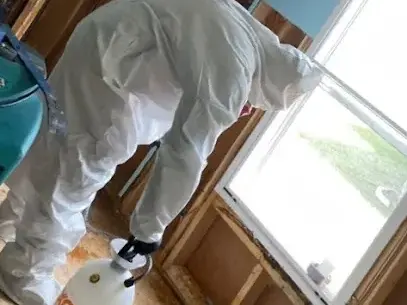
First steps for sewage backup cleanup in Metairie
- Stop using waterEvery flush, shower and load of laundry adds to the backup.
- Keep everyone outKeep children and pets away, and do not walk sewage through the house.
- Shut the HVAC in that areaAir movement spreads odor and contaminants to clean rooms.
- Call a plumber and a cleanup crewThe plumber clears the line; the cleanup crew handles the contamination.
How sewage backup cleanup is handled in Metairie
- 1
Map the moisture
The tech who does the walkthrough maps moisture with pinless meters and thermal imaging before any equipment goes down.
- 2
Extract the water
The extraction crew pulls standing water with truck-mounted extraction so it leaves the building instead of moving to the next room.
- 3
Dry the structure
The drying team sets air movers to each room's evaporation load and runs LGR dehumidifiers with the house closed to the Gulf humidity.
- 4
Verify and document
Crews log readings daily and pull equipment only when the wet material sits within 2 to 4 points of a dry reference.
What does sewage backup cleanup cost in Metairie, LA?
In Metairie, LA, sewage backup cleanup typically runs $2,000 to $10,000 or more, depending on how many rooms were affected, the flooring and drywall that must be removed, and the containment and disinfection the job needs.
Bathroom backup
- Toilet or tub overflow
- Flooring and base removal
- Disinfection and drying
Multiple rooms
- Containment and HEPA air scrubbers
- Flood cut of lower drywall
- Carpet and pad out
Main line backup
- Whole-floor contamination
- Cabinets and trim removed
- Extended drying
For a closer planning range, try the Metairie water damage cost calculator. The final scope comes from the on-site moisture map, not a phone guess.
The Category 3 protocol
In Metairie, sewage backups come from two directions. Inside the house, roots, grease and sagging cast iron drains under the slab block the line. Outside, a heavy rain can load the sewer system with storm water until it backs up through floor drains, tubs and toilets. Either way, the water carries bacteria and viruses, and the IICRC S500 standard treats it as Category 3 from the first drop. EPA information on sanitary sewer overflows explains the rain-driven side.
- Protective equipment for the crew: respirators, gloves, suits and boots at a minimum
- Containment with plastic sheeting and negative air, with HEPA air scrubbers running
- Extraction of the sewage and removal of carpet, pad, drywall and insulation it touched, usually above the waterline
- Cleaning and an EPA-registered antimicrobial applied at the label dwell time
- Structural drying only after the area is clean
Why porous materials are removed
Carpet, pad, drywall, insulation and particleboard absorb contaminated water deep into the material, where cleaning cannot reach. That is why they are removed rather than dried. Hard surfaces like tile, concrete and sealed wood can usually be cleaned and disinfected. The restoration team documents what was removed and why, with photos, for the claim.
Many homeowners policies exclude sewer backup unless a sewer or water backup endorsement was added. It is a short call to your insurer to check.
After the cleanup
A plumber clears or repairs the line, and a backwater valve can keep rain-driven backups from reaching the house again. If the backup came in with street water during a storm, the job also follows storm flood cleanup. Drying details are on structural drying.
Sewage Backup Cleanup across Metairie
The Metairie restoration crew covers every Metairie ZIP code, from the lakefront to Airline Drive.
The restoration team covers Metairie from Old Metairie and Bucktown to Fat City, Airline Park and Bissonet Plaza, plus Kenner, Harahan, River Ridge, Jefferson and Elmwood.
ZIP codes 70001, 70002, 70003, 70005 and 70006, and the rest of the Metairie ZIPs.
See every neighborhood and ZIP coveredRelated water damage services in Metairie
Sewage Backup Cleanup questions in Metairie, answered
Can I clean up a small sewage backup myself?
A tiny overflow on tile may be manageable with gloves and a disinfectant, but anything that reached carpet, drywall or a second room is a Category 3 job with contamination you cannot see.
Why does sewage come up during heavy rain?
Storm water gets into the sewer system through cracks and openings, and a big rain can overload it so wastewater backs up into the lowest drains, often a tub, shower or ground-floor toilet.
Does carpet always have to be thrown out after sewage?
Yes. The IICRC S500 standard calls for removing porous materials like carpet and pad that sewage touched, because they cannot be reliably disinfected.
Is it safe to stay in the house?
Keep everyone, especially children, older adults and pets, out of the affected area. If the backup is large or the HVAC spread odor, staying elsewhere until cleanup is done is safer.
Is sewage backup covered by insurance?
Often only with a sewer or water backup endorsement. Coverage depends on your policy, so it is worth checking with your own insurer.
How is the area confirmed clean?
After removal and disinfection, the area is visibly clean, without odor and dry to the drying goal. Some owners also order independent testing before rebuilding.
Sewage Backup Cleanup in Metairie? Call now.
Standing water keeps moving into drywall, cabinets and subfloor. The restoration team extracts it, dries the structure to the IICRC S500 standard and documents every step for the claim.
(888) 417-5665Get the black water contained and removed