Raised Home and Crawlspace Water in Metairie, LA
Older raised houses along the Metairie Ridge have open space under the floor, and water collects there. The drying team pumps it out and dries the joists and subfloor above.
(888) 417-5665Water under the house? Call now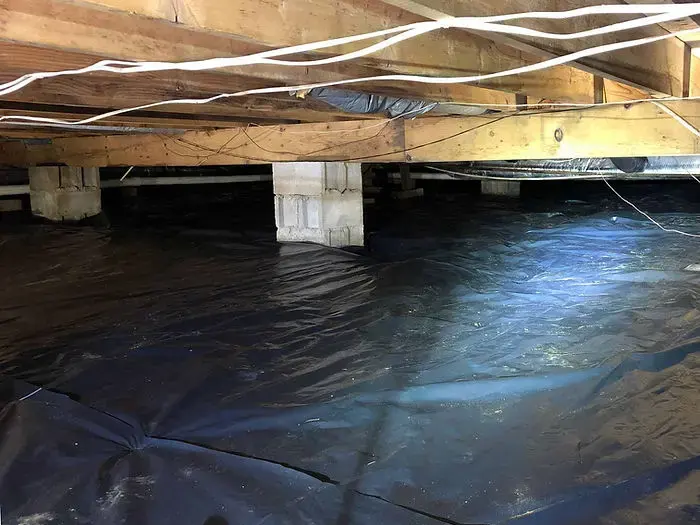
First steps for raised home and crawlspace water in Metairie
- Find the sourceA broken pipe under the house, a clogged drain or storm runoff each need a different fix.
- Shut the water if it is a pipeClose the main so the crawlspace stops filling.
- Stay out of the crawlspaceStanding water under a house can hide live wiring and sewage.
- Photograph from the accessPictures of the water level and wet joists help the claim.
How raised home and crawlspace water is handled in Metairie
- 1
Map the moisture
The tech who does the walkthrough maps moisture with pinless meters and thermal imaging before any equipment goes down.
- 2
Extract the water
The extraction crew pulls standing water with truck-mounted extraction so it leaves the building instead of moving to the next room.
- 3
Dry the structure
The drying team sets air movers to each room's evaporation load and runs LGR dehumidifiers with the house closed to the Gulf humidity.
- 4
Verify and document
Crews log readings daily and pull equipment only when the wet material sits within 2 to 4 points of a dry reference.
What does raised home and crawlspace water cost in Metairie, LA?
In Metairie, LA, raised home and crawlspace water removal typically runs $1,500 to $7,500, depending on how much water is under the house, whether it came from a drain line, and how much insulation and subfloor got wet.
Pump-out
- Standing water removed
- Vapor barrier checked
- Moisture readings
Joist and subfloor drying
- Wet insulation removed
- Dehumidifiers under the house
- Subfloor readings
Drain or sewage leak
- Category 3 protocol
- Contaminated soil and debris
- Antimicrobial and drying
For a closer planning range, try the Metairie water damage cost calculator. The final scope comes from the on-site moisture map, not a phone guess.
How water gets under a raised house
Old Metairie, along the Metairie Ridge, has many of the community's oldest houses, and a good number of them are raised or built on piers instead of a slab. The open space under the floor holds supply pipes, cast iron drains and ductwork. When one of those fails, or when storm runoff flows under the house, water pools on the ground and keeps the whole floor system damp. Jefferson Parish flood risk page shows how elevation varies across the parish.
- Supply and drain pipes under the house corrode, crack or separate at joints.
- Rare hard freezes split exposed pipes that have no insulation.
- Heavy rain runs under the house when the yard drains toward it.
- AC condensate and water heater drain lines dump under the floor.
How the drying team handles crawlspace water
The extraction crew pumps out standing water, then the tech who does the walkthrough checks the joists, sill plates and subfloor with pinless meters. Wet insulation between the joists is removed, because it sags and holds water against the wood. Dehumidifiers and air movers are set under the house, and if the water came from a drain line, the area is treated with an EPA-registered antimicrobial.
Water from a cast iron drain or sewer line under the house is Category 2 or 3. That changes the protocol: protective gear, removal of contaminated debris and disinfection before drying. See sewage backup cleanup for how Category 3 losses are handled.
Inside the house
When the water reached the floor above, wood flooring and baseboards need readings too. Solid hardwood over a raised floor system can often be dried with mats and air from below. Related work: burst pipe cleanup and structural drying.
Raised Home and Crawlspace Water across Metairie
The Metairie restoration crew covers every Metairie ZIP code, from the lakefront to Airline Drive.
The restoration team covers Metairie from Old Metairie and Bucktown to Fat City, Airline Park and Bissonet Plaza, plus Kenner, Harahan, River Ridge, Jefferson and Elmwood.
ZIP codes 70001, 70002, 70003, 70005 and 70006, and the rest of the Metairie ZIPs.
See every neighborhood and ZIP coveredRelated water damage services in Metairie
Raised Home and Crawlspace Water questions in Metairie, answered
Is water under my raised house an emergency?
If it came from a pipe or drain, yes: the source keeps adding water and the humidity under the floor rises. Storm runoff that drains away on its own still leaves wet insulation and wood that need drying.
Does wet crawlspace insulation have to come out?
Usually. Wet fiberglass sags, falls and holds moisture against the joists. It is removed and replaced after the structure is dry.
Can a wet subfloor be saved?
Often, if drying starts before the plywood or planks delaminate or soften. Readings decide it, not appearance.
What if the water under the house smells like sewage?
Then a drain or sewer line is involved and the water is Category 3. Protective gear, removal of contaminated material and disinfection come before drying.
Will a vapor barrier stop this?
A vapor barrier limits ground moisture but not a pipe leak or runoff. It does make pump-out and drying easier.
Is crawlspace water covered by insurance?
Water from a sudden pipe failure is often covered; rising or surface water is flood. Coverage depends on your policy, so it is worth checking with your own insurer.
Raised Home and Crawlspace Water in Metairie? Call now.
Standing water keeps moving into drywall, cabinets and subfloor. The restoration team extracts it, dries the structure to the IICRC S500 standard and documents every step for the claim.
(888) 417-5665Get the crawlspace pumped and dried