Hurricane Water Damage Restoration in Metairie, LA
A Gulf storm pushes rain through roofs, windows and soffits, then the power goes out. The restoration team extracts the water, opens wet ceilings and gets drying started as soon as crews can reach the house.
(888) 417-5665Get the storm dry-out started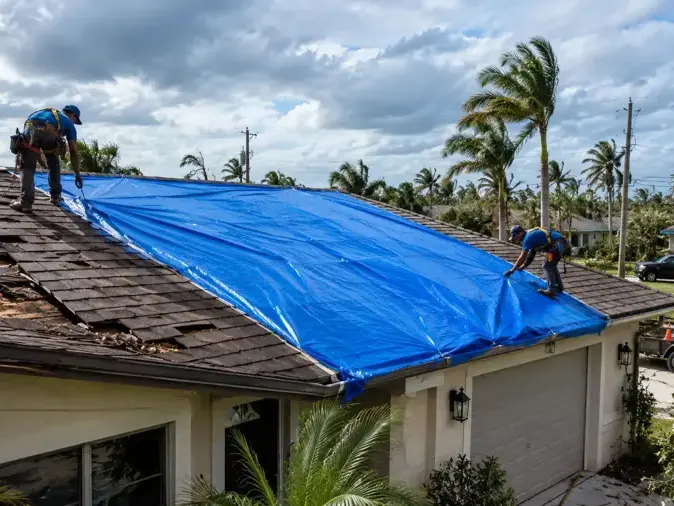
First steps for hurricane water damage restoration in Metairie
- Wait for the all-clearStay off the roof and out of rooms with sagging ceilings until the storm has passed.
- Stop what water you canSet buckets under drips and poke a small hole in a bulging ceiling so it drains instead of collapsing.
- Photograph the damageRecord the roof, ceilings, windows and every wet room before cleanup changes anything.
- Call for extraction and dryingWet insulation and drywall start growing mold in a warm, powerless house within a couple of days.
How hurricane water damage restoration is handled in Metairie
- 1
Map the moisture
The tech who does the walkthrough maps moisture with pinless meters and thermal imaging before any equipment goes down.
- 2
Extract the water
The extraction crew pulls standing water with truck-mounted extraction so it leaves the building instead of moving to the next room.
- 3
Dry the structure
The drying team sets air movers to each room's evaporation load and runs LGR dehumidifiers with the house closed to the Gulf humidity.
- 4
Verify and document
Crews log readings daily and pull equipment only when the wet material sits within 2 to 4 points of a dry reference.
What does hurricane water damage restoration cost in Metairie, LA?
In Metairie, LA, hurricane water damage restoration typically runs $2,500 to $20,000 or more, depending on how much of the ceiling and insulation got wet, whether storm or street water came in, and how long the house sat without power before drying started.
Localized roof breach
- One or two wet rooms
- Ceiling section and insulation out
- Drying and daily readings
Multiple rooms
- Wind-driven rain in several rooms
- Wall cavities opened
- Generator-powered drying if needed
Roof plus flooding
- Ceiling and floor damage together
- Category 3 removal below
- Extended structural drying
For a closer planning range, try the Metairie water damage cost calculator. The final scope comes from the on-site moisture map, not a phone guess.
How storm water gets inside
Hurricane season runs June 1 to November 30, and Metairie has seen what a strong storm does to a house. Katrina in 2005 and Ida in 2021 both brought torn roofs, soaked ceilings and power outages that lasted long enough for wet homes to start growing mold. Ready.gov hurricane preparation covers the preparation side; this page covers the water damage after.
- Missing shingles and lifted flashing let rain run straight onto the attic insulation.
- Wind drives rain sideways through soffit vents, window frames and door thresholds.
- Fallen limbs puncture the roof deck and open the house to every rain band that follows.
- Street water can rise at the same time, which turns part of the job into storm flood cleanup.
How the restoration team handles hurricane water damage
The tech who does the walkthrough maps moisture through ceilings, walls and floors, and checks whether any water is Category 3. Wet insulation comes out, because it holds water against the drywall and will not dry in place. Sagging ceiling sections are taken down safely. Then the extraction crew clears the floors and the drying team sets air movers and LGR dehumidifiers with the house closed.
When the grid is down, many restoration crews run pumps, air movers and dehumidifiers on generator power. Never run a gas generator inside the house or garage; Ready.gov power outage safety explains safe generator use.
Tarps, roofs and the claim file
A temporary tarp stops more water while the roofer schedules repairs, and it counts as mitigating further damage. The claim file then carries photos of the roof and every wet room, the moisture map and the daily drying logs, which is what an adjuster needs after a wind event. For everyday leaks outside of storms, see roof leak water damage.
Hurricane Water Damage Restoration across Metairie
The Metairie restoration crew covers every Metairie ZIP code, from the lakefront to Airline Drive.
The restoration team covers Metairie from Old Metairie and Bucktown to Fat City, Airline Park and Bissonet Plaza, plus Kenner, Harahan, River Ridge, Jefferson and Elmwood.
ZIP codes 70001, 70002, 70003, 70005 and 70006, and the rest of the Metairie ZIPs.
See every neighborhood and ZIP coveredRelated water damage services in Metairie
Hurricane Water Damage Restoration questions in Metairie, answered
How soon after a hurricane should drying start?
As soon as it is safe to enter. In a hot house without power, wet insulation and drywall can start growing mold within 24 to 48 hours, so every day of delay adds material that has to come out.
Is wind-driven rain covered by homeowners insurance?
Rain that enters through storm damage to the roof or walls is often handled under the wind or homeowners portion of a policy, while rising water is flood. Louisiana policies often carry a separate named-storm deductible. Coverage depends on your policy, so it is worth checking with your own insurer.
Can drying happen without electricity?
Yes, with generator power sized for the dehumidifiers and air movers. Many restoration crews carry that equipment for storm work.
Does wet ceiling insulation have to be replaced?
Almost always. Blown and batt insulation hold water, flatten and lose their value, and they keep the drywall below wet. It is removed and replaced after the structure is dry.
Should I tarp the roof myself?
Only if it is safe. Roofs after a storm are slick and often structurally damaged. A professional tarp is part of mitigating further damage and is documented for the claim.
What if both the roof leaked and the street flooded?
Then the job is handled in two parts: Category 3 removal and drying on the lower walls and floors, and ceiling and insulation removal above. The claim may involve both homeowners and flood coverage.
Hurricane Water Damage Restoration in Metairie? Call now.
Standing water keeps moving into drywall, cabinets and subfloor. The restoration team extracts it, dries the structure to the IICRC S500 standard and documents every step for the claim.
(888) 417-5665Start the hurricane dry-out in Metairie